7 Key Benefits of Hiring Private Tuition for Your Children
Private tuition works best when the tutor fit is right. Here are seven practical ways one-to-one tutoring can support your child's learning, confidence, and routine.
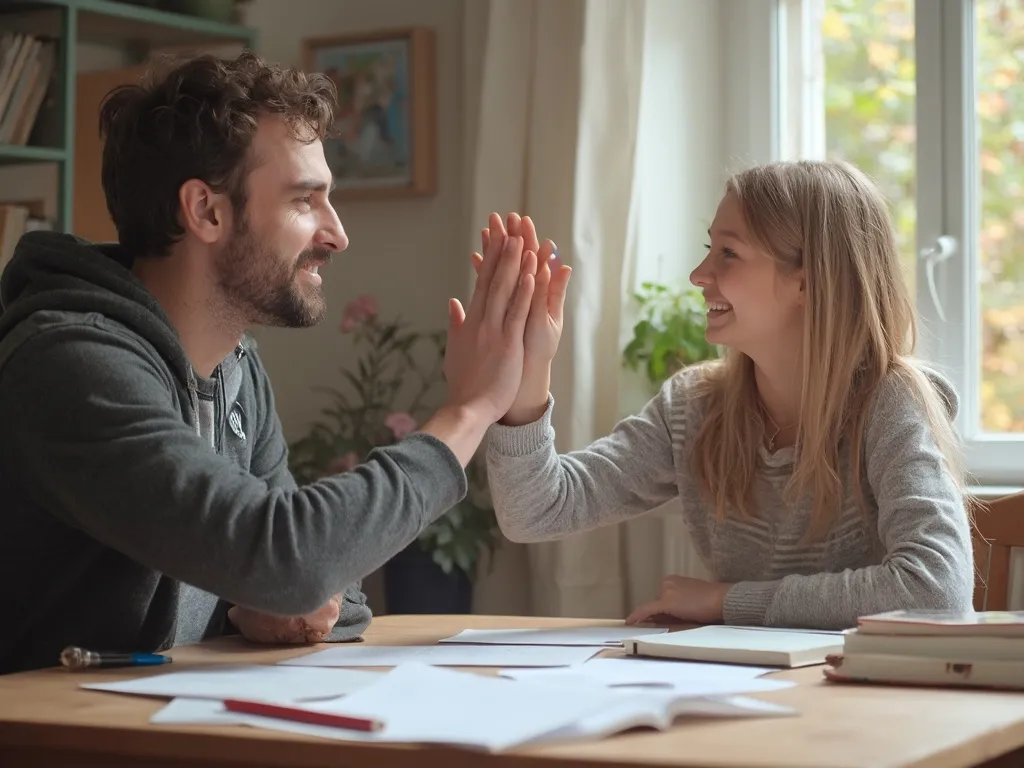
When parents ask us whether private tuition is worth it, the honest answer is: it depends on the match. A good tutor does more than explain a topic. They notice where a student is stuck, adjust the pace, and make the next step feel manageable.
That is why we treat tutoring as a fit decision, not just a booking. The right private tutor should suit the student's subject, year level, confidence, personality, schedule, and learning goals. When those pieces line up, one-to-one tutoring can make schoolwork feel less overwhelming and more structured.
Quick answer: Private tuition can help children receive targeted explanations, build confidence, practise assessments, reduce distractions, and develop steadier study habits. In our experience, it works best when the tutor is carefully matched and the first lesson is used to check fit before a family commits to regular lessons.
7 benefits of private tuition for children
Private tuition gives a child individual attention that is hard to provide in a busy classroom. Below are the seven benefits we see most often when a student is matched with the right tutor and the lessons are shaped around real school needs.
1. Lessons can focus on the exact gaps your child has
In a classroom, a teacher has to move a whole group forward. Some students need more time with a method. Others understand the content but miss marks because their working out, writing, or exam technique is not clear enough. Private tuition gives the tutor room to find that specific problem.
We might start with recent homework, a school assessment, a teacher comment, or a topic the student has been avoiding. From there, the tutor can slow down, try another explanation, or build the missing foundation before pushing ahead.
2. Students can ask questions without feeling exposed
Many children do not ask questions in class because they do not want to look confused in front of friends. That is not laziness. It is often embarrassment, speed, or not knowing how to explain what they do not understand.
A one-to-one tutor can make those questions easier to ask. The student can stop, repeat a step, admit that a method has not clicked, or say, "I get it when you do it, but not when I try it alone." That moment is useful. It tells the tutor where the real work should begin.
3. Tutoring can rebuild confidence, not just marks
Marks matter, but they are not the only sign that tutoring is working. We often see students change first in smaller ways: they start the homework sooner, attempt more questions, show their working, or stop saying "I'm just bad at this" every time a topic appears.
That confidence grows when a child has repeated experiences of understanding something that used to feel out of reach. A tutor should not inflate praise or pretend everything is easy. The better approach is calm, steady progress: one concept, one method, one successful attempt at a time.
4. Homework and assessment preparation become more purposeful
Private tuition can give homework and assessment preparation a clearer plan. Instead of simply getting through the next worksheet, the tutor can ask what the task is testing, what the student already knows, and what needs to be practised before the due date or exam.
For younger students, that might mean reading, spelling, times tables, problem-solving, or written expression. For high school students, it might mean essay planning, algebra steps, science terminology, SAC preparation, HSC-style questions, VCE revision, or exam timing. The point is not to do the work for the student. It is to help them learn how to approach it.
5. The tutor can adapt the explanation style
A child can understand the same idea through a diagram, a worked example, a verbal explanation, a real-world comparison, or repeated practice. The first explanation is not always the one that works.
This is where a private tutor can be especially helpful. They can watch the student's face, listen to the hesitation, and try another route before frustration builds. In Maths, that may mean showing a different method. In English, it may mean modelling how to turn a rough idea into a stronger paragraph. In Science, it may mean linking a definition back to an experiment or diagram.
6. Lessons can fit around family routines
One of the practical benefits of private tuition is flexibility. Some families prefer in-home tutoring because the student learns in a familiar space and parents do not need to add another trip to the week. Others prefer online tutoring because it is easier to fit around school, sport, work, siblings, and transport.
We offer both, because the right format depends on the child and the household. For online lessons, students can use a live lesson space with whiteboard work and recordings for revision. For in-home lessons, the value is often the calm routine of having the tutor come to the student.
7. Parents get a clearer view of what is happening
Parents often know something is not working, but not exactly what. Is the issue confidence, gaps from an earlier year, exam technique, attention, organisation, or a mismatch between how the topic is taught and how the student learns?
A good tutor can help make that clearer. Lesson feedback gives parents a better sense of what was covered, what improved, what still needs attention, and whether the plan should change. That matters because tutoring should not feel like a black box. You should know why the lessons are continuing and what they are trying to improve.
When private tuition is not the right fit
Private tuition is not a magic fix, and I would be cautious of anyone who sells it that way. A tutor cannot replace student effort, school attendance, sleep, reading, practice, or honest communication about what is hard.
It also may not be the right moment if a child is completely resistant, the family only wants answers done for them, or the goal is a guaranteed mark. Tutoring works best when the tutor, parent, and student can agree on a realistic next step and keep adjusting as the student develops.
How we approach private tuition at Erudite
At Erudite Tuition, we start by learning about the student before matching a tutor. We look at the subject, year level, goals, confidence, learning style, personality, schedule, location, and whether online or in-home tutoring suits the family better.
Families begin with a trial lesson so they can judge the tutor fit before committing to regular tutoring. If the first tutor match is not suitable, our first lesson guarantee helps reduce the risk of starting and gives us a clear path to arrange a better fit.
If your child needs help catching up, staying on track, preparing for an assessment, or feeling more confident, the next step is not choosing a long-term program. It is finding out what kind of tutor fit would actually help.
Frequently asked questions
Is private tuition only for students who are falling behind?
No. Private tuition can support students who are catching up, keeping up, or looking for extension. The lesson focus should match the student's needs, whether that means rebuilding foundations, preparing for assessments, improving study habits, or adding challenge.
How soon should I expect results from tutoring?
Some changes can appear quickly, especially confidence, organisation, or homework completion. Mark improvement usually takes longer because it depends on the subject, gaps, assessment timing, practice, and how consistently the student applies what they learn.
Is online private tuition effective?
It can be, if the student is matched well and the lesson is interactive. Online tutoring works best when the tutor uses the whiteboard, checks understanding often, and keeps the student actively working rather than passively watching.