How Online Tutoring Improves Student Performance
Online tutoring can improve student performance when lessons are active, matched to the student, and supported by clear practice between sessions.
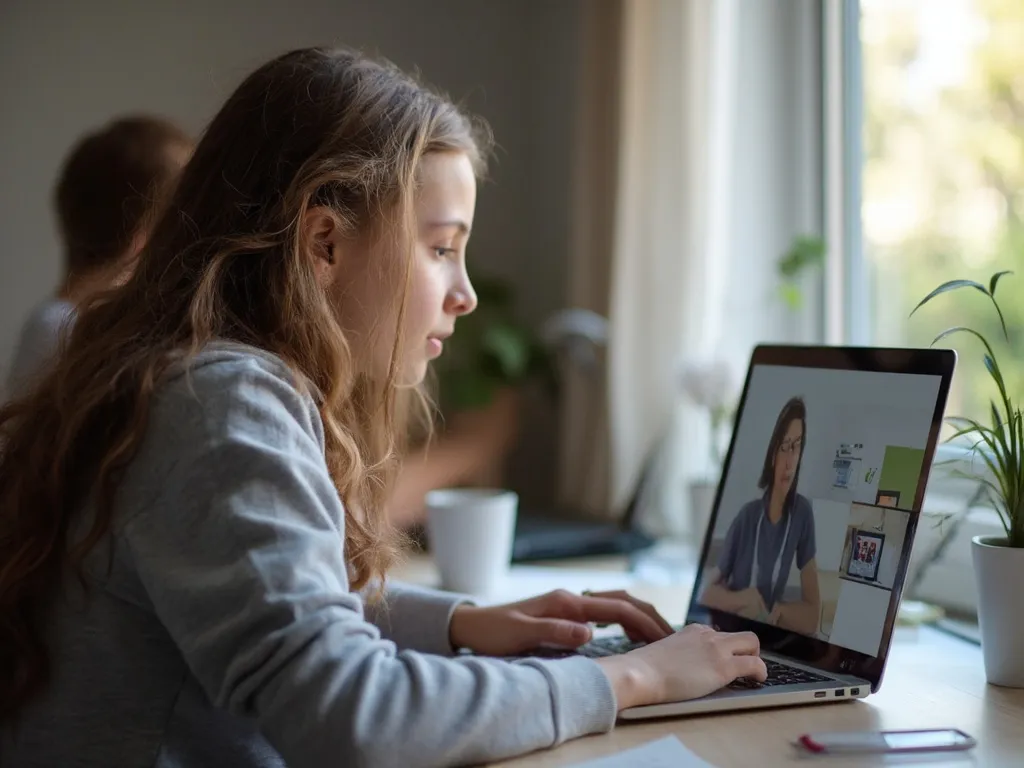
Online tutoring can help students perform better, but only when it is more than a video call. The tutor still needs to teach clearly, notice confusion, give the student practice, and keep the lesson focused on what the child actually needs.
I would judge online tutoring by the same standard as in-home tutoring: is the student understanding more, attempting more, and becoming clearer about what to do next? If the answer is yes, the format can work very well.
Quick answer: Online tutoring can improve student performance by giving students one-to-one attention, active practice, clearer feedback, flexible scheduling, recorded explanations, and a tutor who adapts to their confidence and learning gaps.
How online tutoring can support better performance
1. Students get more direct attention
In a one-to-one online lesson, the tutor can spend the whole session on the student's current level. They can slow down, repeat a step, ask the student to explain their thinking, and adjust the next question based on what they notice.
2. Lessons can follow current schoolwork
Online tutoring can respond quickly to homework, assessment tasks, teacher feedback, and upcoming tests. Students can share a question, upload a task, or work through a topic while it is still fresh.
3. Students can practise during the lesson
The strongest online lessons are active. The student should be writing, solving, reading, explaining, planning, or answering questions. That practice is what shows whether they can use the method without the tutor carrying them.
4. Confidence can build in a quieter setting
Some students ask more questions online than they do in class. They are not in front of peers, and they can admit confusion without feeling exposed. That matters, especially for students who have started to believe they are simply bad at a subject.
5. Recorded explanations can support revision
One useful part of online tutoring is the ability to revisit lesson work. If a student forgets a method before a test, a recording or saved whiteboard can help them review the exact explanation they received.
6. Families can keep a steadier routine
Online lessons can be easier to fit around school, sport, work, siblings, and travel. A consistent weekly routine is often more useful than occasional last-minute help before assessments.
7. Parents can get clearer feedback
Good tutoring should help parents understand what is improving and what still needs attention. Performance improves more steadily when the student, tutor, and parent are not guessing about the plan.
When online tutoring works best
Online tutoring works best when the student has a quiet space, a reliable device, a clear lesson link, and a tutor who keeps them involved. It is less effective when the student is passively watching or when the lesson is treated like a generic online course.
At Erudite Tuition, online lessons use a live lesson space with whiteboard work and recordings for revision. We still start with tutor fit, because the technology only helps when the teaching relationship works.