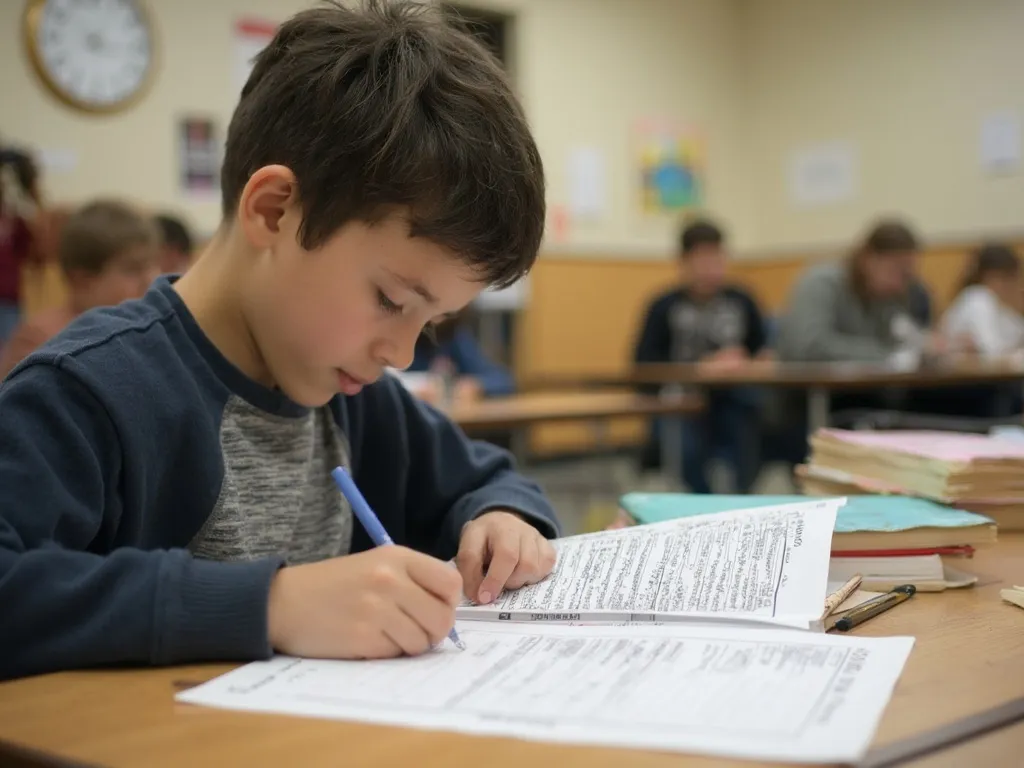
How a Private Maths Tutor Helps in Year 11 and 12
Learn how a private maths tutor can help Year 11 and 12 students strengthen gaps, practise exam questions, and prepare for HSC or VCE assessments.
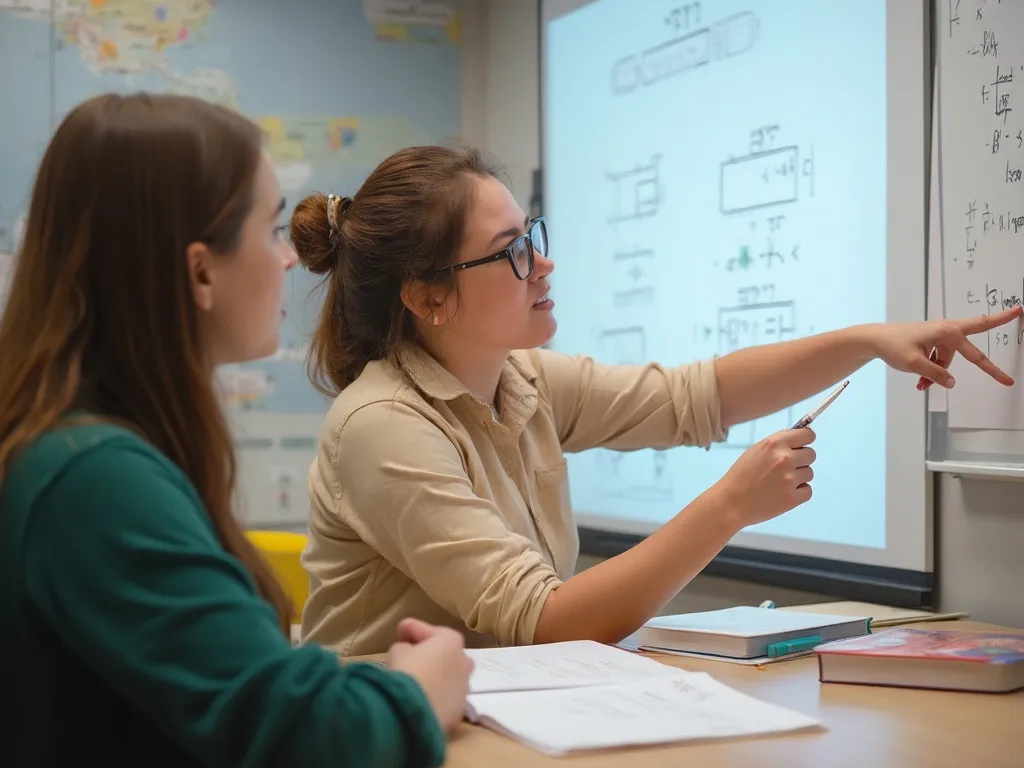
Year 11 and 12 maths has a way of exposing old gaps. A student can survive earlier years by memorising procedures, then hit calculus, functions, probability, or exam-style reasoning and realise they do not have a reliable method under pressure.
That is why a private maths tutor should not simply race through harder questions. The useful work is more precise: find the missing step, rebuild it, and connect it to the kind of questions the student will actually face in HSC or VCE assessment.
Key takeaways: senior maths tutoring helps most when it strengthens foundations, teaches exam habits, gives targeted feedback, and protects confidence without promising a particular mark. A good tutor should make the next piece of work clearer, not add another layer of pressure.
A tutor can find the real maths gap
Australian students still perform above the OECD average in maths, but PISA 2022 reporting put Australian maths proficiency at 51%. For a senior student, that broader pattern shows up in practical ways: weak algebra, slow graph interpretation, difficulty choosing a method, or poor checking under time pressure.
In our experience, the first useful lesson often sounds simple. The tutor watches the student solve a few questions and asks where the working becomes uncertain. That tells you more than another full practice paper. It separates the student who needs content reteaching from the student who needs exam technique, checking habits, or confidence.
This matters because senior maths gaps are rarely labelled neatly. A Year 12 student might say they are bad at calculus when the problem is actually algebraic manipulation. Another might know the method but lose marks because they skip units, diagrams, or reasoning. The tutor's job is to make the hidden problem visible.
Senior students need exam technique, not just explanations
By Year 11 and 12, knowing the topic is only part of the job. Students need to read the question, choose a method, show working clearly, manage time, and avoid losing easy marks. A tutor can practise those habits deliberately rather than hoping they appear during the exam.
For related exam support, read the role of a tutor in exam preparation and how to balance review and practice. Both are useful because many senior students overdo one side: they either reread notes without testing themselves, or grind through papers without fixing the repeated error.
The lesson should include real working, not just explanation. A tutor might ask the student to mark their own solution, compare two methods, write a cleaner line of reasoning, or decide which question to leave and return to. These small choices are where senior marks are often won or lost.
Confidence improves after repeatable moves
Senior students do not need vague encouragement. They need repeatable moves: define the variable, sketch the graph, identify the command word, check units, and write the reason. Confidence usually follows after the student sees those moves work more than once.
I would not tell a Year 12 student to simply believe in themselves. I would give them a starting routine for the first two minutes of a problem. Once they know what to do first, panic has less room to take over. That is practical confidence, and it is teachable.
HSC and VCE tutoring should fit the course
A Year 12 student does not have time for generic maths support. The tutor needs to understand the course, the assessment rhythm, and whether the student is working toward Mathematics Standard, Advanced, Extension, General Maths, Methods, or Specialist Mathematics. The wrong level of support can waste weeks.
If you want to compare senior pathways, Erudite has subject pages for HSC Advanced Mathematics tutoring and VCE Mathematical Methods tutoring. These course differences matter because the tutor should be helping with the student's actual assessment context, not a generic senior maths checklist.
What parents can ask before starting
Ask what the tutor will look at first: recent assessments, school feedback, topic list, homework, or a short diagnostic set. Ask how progress will be communicated. Ask whether the tutor can help with exam technique as well as content. These questions are more useful than asking for a guaranteed mark, which no tutor should promise.
It is also worth asking how the student feels after the first lesson. Did the tutor explain clearly? Did the student feel comfortable showing working? Did they leave with a specific next task? For senior students, fit matters because there is limited time and plenty of pressure already.
FAQs about senior maths tutoring
Can a tutor guarantee a Band 6 or top study score?
No tutor should guarantee a mark. A tutor can improve preparation, feedback, technique, and confidence. The final result still depends on the student's starting point, effort, school assessment, exam performance, and course demands.
How often should Year 12 students have tutoring?
Weekly lessons are common because they create routine. Short-term blocks can also work before trials or SACs when the goal is specific. The best schedule depends on the student's workload, gaps, school deadlines, and whether they can complete useful practice between lessons.
Start with a senior maths tutor match
Erudite matches senior students with tutors based on subject, course level, goals, confidence, format, and schedule. You can book a trial lesson, review senior tutoring pricing, and read the first lesson guarantee before deciding whether ongoing lessons are right for your child.