How to Be an Effective Tutor in the Digital Age
Effective tutoring in the digital age depends on diagnosis, rapport, clear feedback, and using technology only where it makes learning easier.
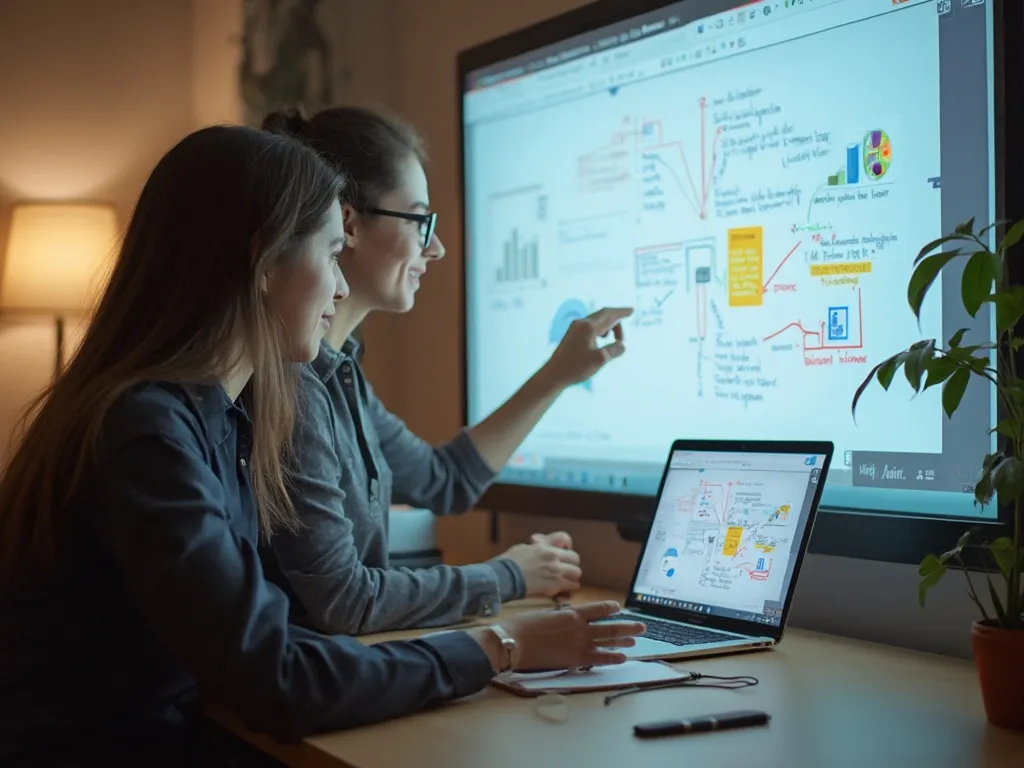
An effective tutor today needs more than strong marks or subject knowledge. Those matter, but they are only the starting point. Good tutors explain clearly, adapt quickly, use technology sensibly, build rapport, and know how to turn a student's confusion into a practical next step.
Tutoring has changed because families have changed. Students may need online lessons, in-home support, senior subject expertise, confidence rebuilding, exam technique, extension, or help managing a busy school week. The tutor's job is to meet the student with the right mix of structure and flexibility.
Strong tutors explain the same idea more than one way
A tutor who only has one explanation will eventually lose students who need another route in. Effective tutors can use examples, diagrams, questions, analogies, worked solutions, and practice tasks. They watch the student's response and adjust before frustration takes over.
This matters because students rarely say, "I am missing a prerequisite skill from last year." They say the topic is hard, boring, or confusing. A good tutor listens underneath that and finds the actual obstacle.
Modern tutoring uses technology deliberately
Digital tools can make tutoring better when they support learning. A shared whiteboard, live document, graphing tool, or lesson recording can help students see thinking and review it later. But technology should not become a performance. The student still needs active practice and human feedback.
- Use online tools to make thinking visible, not to fill time.
- Keep lessons interactive so the student is solving, explaining, and editing.
- Save useful notes so students can revise after the lesson.
Rapport and professionalism both matter
Students need to feel comfortable enough to ask questions, but tutoring is still professional work. Effective tutors prepare, communicate clearly, respect boundaries, and give parents useful context. They also know when to encourage, when to challenge, and when to adjust the plan.
For people interested in tutoring with Erudite, the role is about more than explaining content. It is about helping students feel understood and giving families a clearer path forward. You can explore tutoring careers or the academic tutor role for more detail.
FAQ
What skills does an effective tutor need?
Effective tutors need subject knowledge, clear communication, patience, adaptability, preparation, professional judgement, and the ability to build trust with students and parents.
Is online tutoring different for tutors?
Online tutoring needs the same teaching judgement, plus confidence using digital tools. The best online tutors keep lessons active and make sure students are doing the thinking, not only watching.
If your child needs a tutor who is matched for both subject and fit, Erudite can help. You can book a trial lesson, view pricing, or read the first lesson guarantee before starting.