How to Create Tutoring Materials Students Actually Use
Good tutoring materials are clear, active, and matched to the student. They help students think, practise, and review without adding unnecessary clutter.
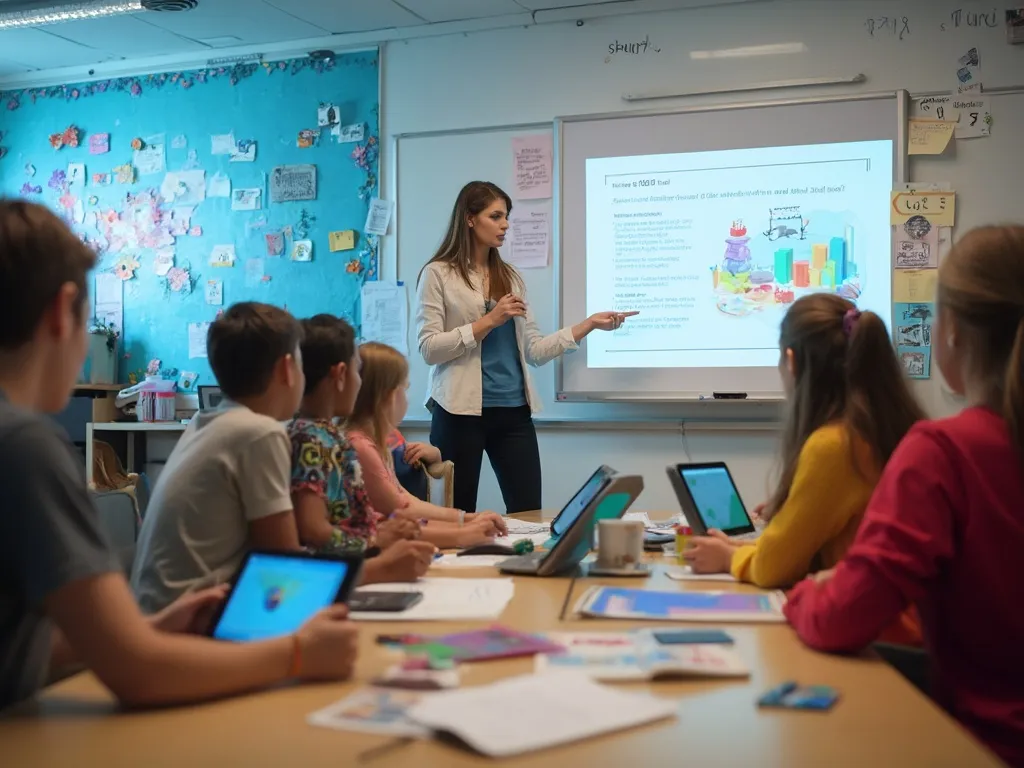
Good tutoring materials are not the fanciest worksheets or the busiest slides. They are the resources students actually use to understand, practise, and remember. A clear worked example, a short checklist, or a well-chosen practice question can be more valuable than a colourful twenty-page pack that overwhelms the student.
For tutors, the test is simple: does this material make the student's next step clearer? If it does, keep it. If it distracts, repeats what the student already knows, or creates more reading than thinking, simplify it.
At Erudite, strong one-to-one tutoring is built around the student in front of the tutor. Materials should support that relationship, not replace it. The tutor still needs to notice confusion, adapt the explanation, and decide what kind of practice will help next.
Start with the learning problem, not the format
Before creating a worksheet, slide, quiz, or whiteboard plan, identify the exact learning problem. Is the student missing a foundation? Do they understand the idea but lose marks in application? Are they avoiding the task because it feels too large? Do they need extension, revision, or confidence?
The answer should shape the material. A student with a gap may need a scaffolded explanation and basic practice. A student preparing for exams may need mixed questions and marking criteria. A student who lacks confidence may need a short sequence that starts with success and gradually increases challenge.
This is where generic resources often fall short. They may be technically correct, but not right for the student's current obstacle. Tutoring materials should be chosen or built with a specific student purpose in mind.
Make explanations visible and reusable
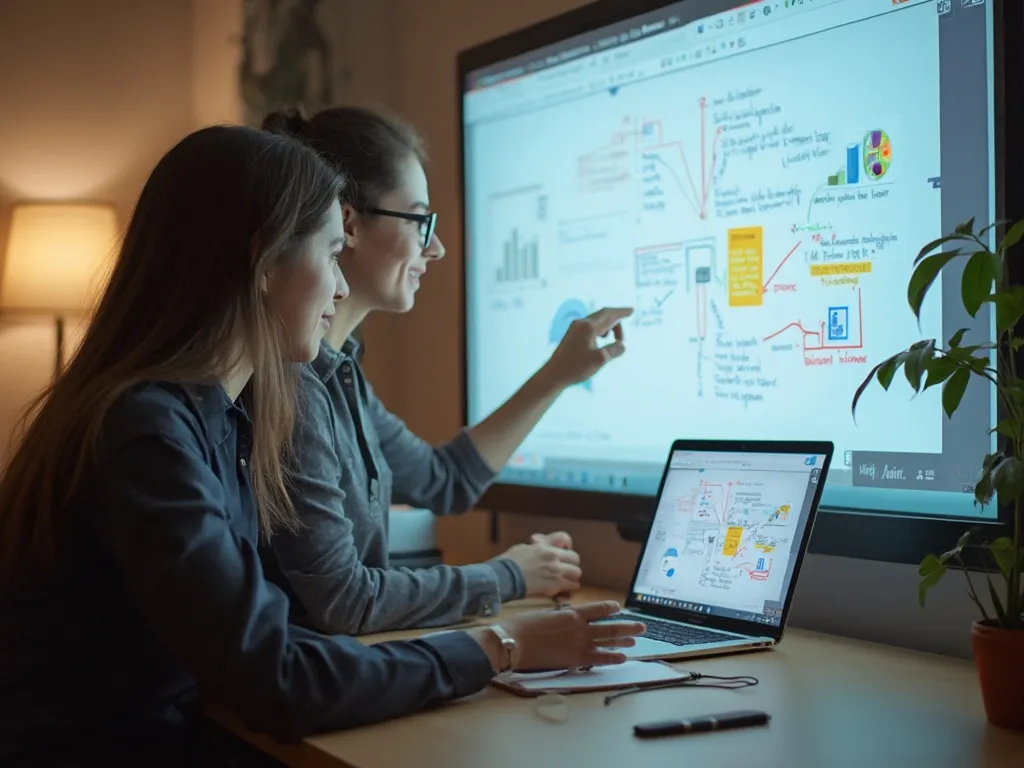
Students often forget explanations because they hear them once and then leave with nothing concrete to revisit. A useful tutoring material captures the thinking: the steps in a maths method, the structure of an essay paragraph, the cues for analysing a question, or the common mistake to avoid.
This does not need to be polished. A shared whiteboard screenshot, annotated paragraph, or simple worked example can be enough if it is clear. The goal is for the student to have a record they can understand later without the tutor present.
For online tutoring, digital materials can be especially helpful because they can be saved, shared, and reviewed. But the same rule applies: the material should reduce confusion, not become another folder the student never opens.
Build active practice into the material
A resource should not only explain. It should ask the student to do something. Active practice might mean solving a question, filling in a step, comparing two answers, correcting an error, explaining a choice, or applying the same method to a new problem.
The best practice sequence usually moves from supported to independent. Start with a model, try one together, then ask the student to attempt one without help. This gives the tutor useful information: what the student can do, where they hesitate, and what needs reteaching.
- Use one clear worked example before independent practice.
- Include one question that checks understanding, not just memory.
- Add a short reflection prompt, such as what step changed the answer?
- Keep the page uncluttered so the student's attention goes to the task.
Adapt materials for different learners
Students use materials differently. Some need visual structure, some need to talk through the reasoning, and some need hands-on practice before a concept feels real. A strong tutor keeps a flexible toolkit rather than relying on the same sheet for every student.
For visual learners, diagrams, colour coding, timelines, and step-by-step layouts can help. For students who learn through discussion, prompts and explanation tasks work well. For hands-on learners, worked examples, manipulatives, experiments, or real assessment questions can make the work more concrete.
The important point is not to label the student permanently. Materials should help them build flexibility. A student who likes diagrams still needs to explain their answer. A student who likes discussion still needs written practice. You can read more in our guide to different learning styles.
Keep materials simple enough to maintain
Tutors do not need to design every resource from scratch. It is better to build a small library of reliable templates: worked examples, error analysis tasks, revision checklists, paragraph planners, formula sheets, and short quizzes. These can be adapted quickly without making every lesson preparation-heavy.
Sustainable preparation matters because good tutoring depends on attention during the lesson, not only preparation before it. A tutor who has simple, reusable materials can spend more energy watching how the student thinks and adjusting the next step.
FAQ
What makes tutoring materials effective?
Effective tutoring materials are clear, targeted, active, and reusable. They address a specific learning problem, show the thinking process, and give the student a chance to practise rather than simply read.
Should tutoring materials be personalised?
Yes, but personalisation does not mean starting from zero every time. Tutors can use strong templates and adapt examples, difficulty, pacing, and prompts to the student's subject, level, and confidence.
If your child needs lessons that are adapted to how they actually learn, Erudite can match them with a tutor who plans around their subject, level, and confidence. You can book a trial lesson, check pricing, or read the first lesson satisfaction guarantee before starting.